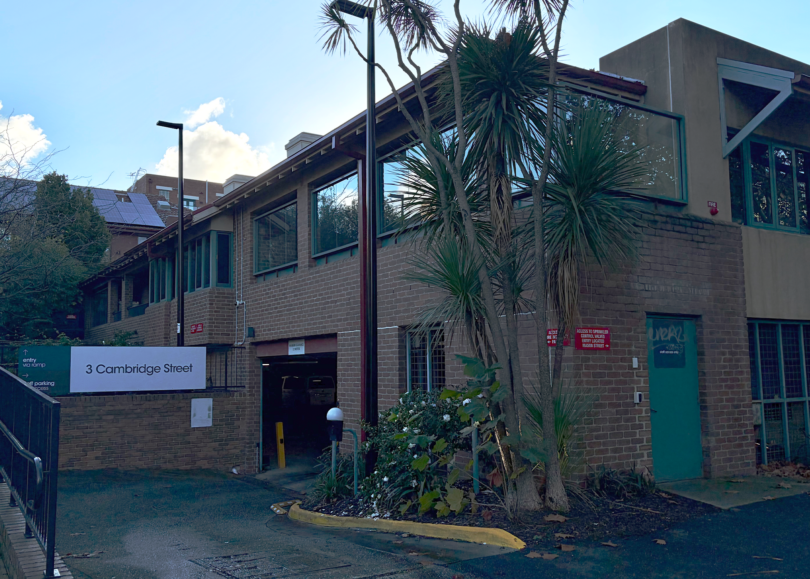

The planned closure of a sobering centre in Collingwood has sparked criticism of the Victorian Government’s handling of public intoxication reforms, with community members and Opposition figures questioning the effectiveness of the model and the use of public funding.
The CoHealth Sobering Centre on Cambridge Street will close in July 2027, four years after opening as part of Victoria’s Public Intoxication Response Service.
The Victorian budget Estimates Hearing amplified scrutiny of the program earlier this month.
Opposition Leader Jess Wilson described the centre was a “waste of taxpayer money” during a press conference.
A spokesperson for the Department of Health Infrastructure said services would “transition” from the Collingwood centre to local options, connected to health and community services.
Premier Jacinta Allan said funding would be redirected toward local outreach services once the centre closes.
Victorian Alcohol and Drug Association chief executive Chris Christoforou said the organisation hoped there would not be a resulting reduction in sobering services.
The Public Intoxication Response Service was introduced in 2019 following the decriminalisation of public intoxication in Victoria.
The reforms followed years of advocacy from Aboriginal communities after the 2017 death of Yorta Yorta woman Tanya Day, who died in custody after being detained at Castlemaine police station for public intoxication.
The service provides health-led responses to public intoxication through outreach teams and sobering-up centres staffed by nurses and alcohol and drug specialists.
The Collingwood facility is one of two sobering-up centres operating in Melbourne.
Its sister site in St Kilda provides services exclusively for Aboriginal and Torres Strait Islander people.
The Cambridge Street centre has faced criticism from some local residents since opening in 2023.
Cambridge Street resident Sharie Harold said she initially supported the health-led approach but believed the model had failed to deliver safe outcomes for residents and vulnerable people using the service.
“We should be supporting people as much as we can, and I don’t know if this model ever did it,” Ms Harold said.
Ms Harold said there had been repeated disruptions in the area since the centre opened and criticised the government’s implementation of the reforms.
“I don’t think they really thought it through, it’s not safe,” she said.
Ms Harold said she hoped the Cambridge Street site would return to its former use as a retirement home once the centre closes next year.
National Alcohol & Other Drug Hotline: 1800 250 015
Aboriginal or Torres Strait Islander Crisis Support: 13 92 76
Image: Alcoholism treatment program in Collingwood, Victoria. Photo by Elise Unmack.